
Corporate Event DJ Services to Elevate Your Upcoming Event
The music at a company event can make the room feel connected, polished, and alive, or it can leave guests checking the time. A great DJ does far more than play a playlist. They read the room, guide the pace, support the agenda, make announcements sound smooth, and help the event feel easy from start to finish.
A corporate event DJ service is built for that kind of pressure. Whether the event is an annual celebration, product launch, awards night, holiday party, conference reception, team retreat, or client appreciation event, the right DJ adds structure without stealing the spotlight.

Why a DJ matters at a company event
Corporate events have a different rhythm than private parties. There may be arrivals, networking, speeches, awards, dinner, entertainment, dancing, raffles, or closing remarks. Each part needs the right sound and timing.
A professional DJ helps connect those moments. They can shift from low-volume background music during check-in to upbeat walk-up tracks for awards, then to dance music once the formal program ends. That attention to timing keeps guests comfortable and keeps the event moving.
A good DJ also protects the energy in the room. If the music is too loud during conversation, people pull away. If the music is dull after dinner, the evening loses momentum. If a mic cuts out during a recognition moment, the room feels the mistake.
The best corporate DJs understand that the event is not about them. Their job is to make the host, guests, speakers, and brand moment look and sound good.
What a corporate event DJ service usually includes
Not every DJ package is the same, but most professional services include a mix of planning, music, sound, and on-site support. The goal is to reduce surprises before the event and give the team one less thing to manage during it.
Common services include:
Pre-event planning call
Custom music direction
Clean radio edits when needed
Sound system setup
Wireless or wired microphones
Background music for arrivals, meals, and networking
Emcee support for announcements
Dance floor music
Basic lighting or dance lighting
Setup and breakdown
Coordination with the venue or planner
Some events also call for extras, such as uplighting, ceremony audio, satellite speakers for multiple rooms, silent disco headphones, photo booth add-ons, or a dedicated audio technician.
Before booking, ask what is included in the base service and what costs extra. Clear pricing helps avoid last-minute equipment gaps or surprise fees.
The DJ should fit the event, not the other way around
A black-tie awards dinner needs a different feel than a summer employee appreciation party. A networking reception has different needs than a sales kickoff after-party. The right DJ adapts to the event format instead of using the same set for every crowd.
Here are a few common event types and what the DJ should focus on:
Event type | What the DJ supports | Music approach |
Awards dinner | Walk-up songs, mic cues, smooth transitions | Polished, upbeat, controlled |
Holiday party | Guest energy, dancing, broad appeal | Familiar hits, festive peaks |
Conference reception | Conversation, flow, relaxed mood | Lounge, light pop, soft classics |
Product launch | Impact moments, entrance tracks, pacing | Modern, sleek, brand-aligned |
Team celebration | Fun, requests, dance floor momentum | High-energy and inclusive |
The goal is not to force everyone onto the dance floor. The goal is to create the right atmosphere for that specific event.

Music planning should start with the guest experience
A playlist can tell a DJ what songs you like. It cannot read the room. That is why music planning should include both preferences and flexibility.
Start with the feel of the event. Should it be refined, relaxed, high-energy, nostalgic, modern, family-friendly, or a mix? Then build the music plan around the timeline.
For example:
Arrival music should help people settle in.
Dinner music should support conversation.
Award music should feel celebratory but not overpowering.
Dance music should start with broad favorites before moving into more specific styles.
Closing music should end the event with warmth and energy.
A strong “do not play” list can be just as useful as a request list. It helps the DJ avoid songs that feel off-brand, overplayed, or inappropriate for the audience.
For events with many age groups or departments, variety matters. Classic Motown, disco, 80s hits, 90s throwbacks, early 2000s pop, Latin favorites, clean hip-hop, country, dance music, and current hits can all work when placed at the right time. The skill is in sequencing, not just song choice.
Professional sound can make or break the event
Many event problems come down to sound. Guests may forgive a late dessert course, but they will remember if no one could hear the CEO, honorees, or host.
A corporate DJ should ask practical questions before the event:
How many guests will attend?
Is the event indoors or outdoors?
What is the room shape?
Will there be speeches or awards?
How many microphones are needed?
Is there a stage?
Are multiple rooms involved?
Does the venue have sound restrictions?
Is power available near the DJ setup?
What time can vendors load in?
The answers help determine speaker size, mic needs, placement, and setup time. A small reception may only need a compact system. A large ballroom may need more coverage so the front is not painfully loud while the back cannot hear.
Outdoor events need extra planning. Wind, distance, generator power, and local noise rules can all affect sound. For nationwide events, these details matter even more because venues vary widely by city, climate, and layout.
A good DJ also helps manage flow
Event flow is one of the most overlooked parts of DJ service. Music fills the gaps, but timing gives the event shape.
A DJ who understands pacing can:
Fade music naturally when the host takes the mic
Play intro music for speakers or award winners
Cue celebration tracks at the right second
Lower volume for meal service
Build energy after dinner
Announce transitions without sounding stiff
Adjust if the schedule runs late
This is where experience shows. Corporate events often change in real time. A speech runs long. A guest of honor arrives late. Dinner service needs ten more minutes. The photo moment gets moved. A steady DJ can adapt without drawing attention to the change.
That calm presence helps planners, venue teams, and hosts stay focused.

Questions to ask before hiring a DJ
Hiring a DJ should feel like choosing a trusted event partner, not gambling on a playlist. The right questions reveal how they plan, communicate, and handle pressure.
Ask these before signing:
How do you prepare for corporate events?
Look for a clear planning process, not a vague promise to “bring the party.”
Can you support announcements and microphones?
If speeches, awards, raffles, or introductions are part of the event, this is essential.
Do you use clean edits?
For company events, clean versions are often the safest choice.
What equipment is included?
Confirm speakers, microphones, lighting, backup cables, and setup needs.
Do you carry backup gear?
A professional should have a plan if a cable, laptop, mic, or speaker fails.
How do you handle guest requests?
The best answer respects the host’s preferences while keeping the crowd engaged.
Have you worked with venues similar to ours?
Experience with hotels, ballrooms, outdoor spaces, conference centers, and private venues can make setup smoother.
What do you need from us before event day?
A prepared DJ will ask for a timeline, venue contact, load-in details, music preferences, and key announcements.
What to share with the DJ before the event
A DJ can do better work when the event team gives clear details early. This does not need to be complicated. A short planning document can cover most of it.
Include:
Event date, venue, and room name
Guest count
Event timeline
Contact person for the day of the event
Venue load-in rules
Dress expectations for the DJ
Music preferences
Do-not-play songs or artists
Names and pronunciation notes for speakers or honorees
Announcement scripts
Awards order
Special cues
Any brand or content guidelines
Name pronunciation deserves special care. If the DJ will announce award winners, speakers, or executives, provide phonetic notes. This small step prevents awkward mistakes in important moments.
For awards, share the exact order and whether each person gets a walk-up song. If winners are not announced in advance, create a cueing plan with the event lead.
Common mistakes to avoid
Even well-planned events can stumble when the music and sound plan come too late. These are the mistakes that cause the most stress.
Booking based on price alone
A low rate can become expensive if the DJ arrives with weak equipment, poor communication, or no backup plan.
Assuming the venue sound system is enough
Built-in systems can work for some announcements, but they may not suit music, dancing, or large rooms.
Skipping the timeline review
The DJ needs to know more than the start and end time. They need the shape of the whole event.
Giving no music direction
Total freedom can work for a party, but company events benefit from guardrails.
Overloading the playlist
A five-hour playlist for a three-hour event leaves no room for reading the crowd. Give guidance, then trust the DJ to manage the room.
Forgetting transition moments
Walk-ins, award cues, dinner service, and closing remarks all need sound support.
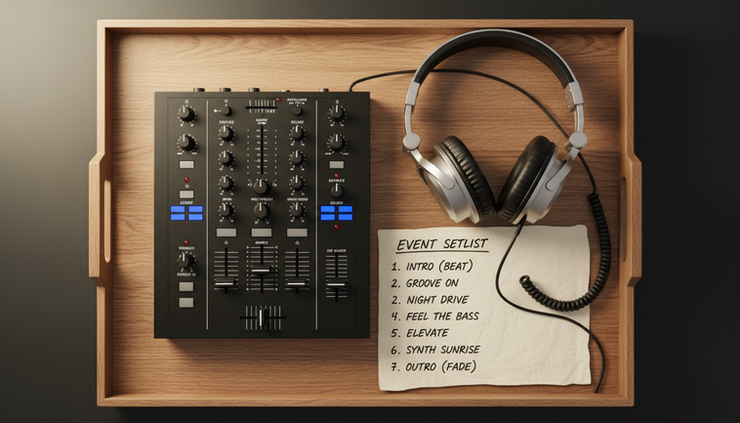
How the right DJ raises the quality of the whole event
Guests may not notice every smooth transition, every clean mic cue, or every careful volume adjustment. That is the point. When the DJ does the job well, the event feels natural.
The host can focus on guests. Speakers feel confident. Award winners get their moment. The planner has fewer fires to put out. The room sounds full during arrivals and alive during the celebration.
A strong corporate event DJ service brings music, equipment, timing, and people skills together. It supports the agenda while giving the event personality. It also helps create the kind of shared experience people talk about after they leave.
For an upcoming event, start with the outcome you want guests to feel. Then choose a DJ who can plan for that feeling, support the schedule, and adjust in the moment. The right music will not fix every detail, but it can lift the entire room. #DJ #DJServicve #CorporateEvent #HolidayParty #CorporateEntertainment


Comments